The impact of mycotoxins in All About Feed 5
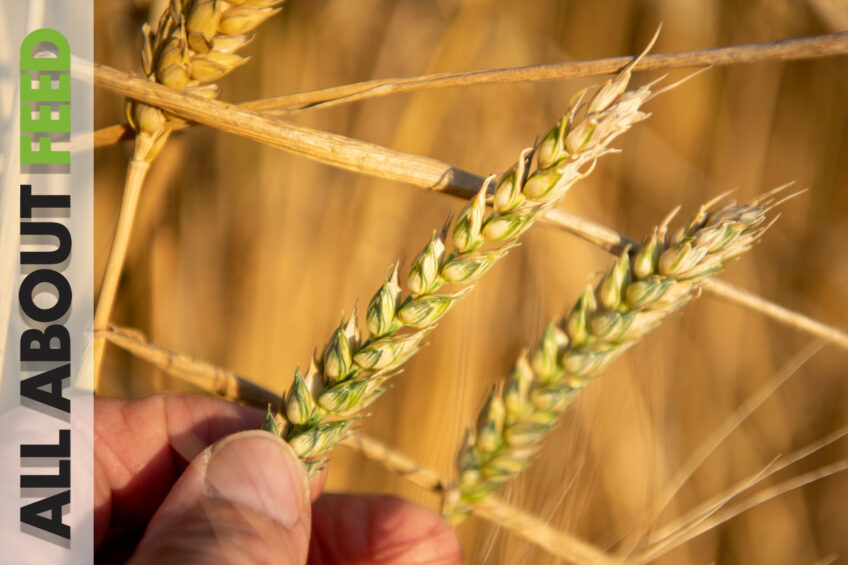
The latest edition of All About Feed is now available online. This edition highlights efforts to reduce US dairy emissions through precision feeding, and features expert insights on advances in trace mineral delivery and the use of insect products to improve animal health amid challenges like antimicrobial resistance. We also take a look at China’s gradual adoption of genetically modified crops and explore how GLP-1 inhibitors like Ozempic are altering global eating habits and affecting the livestock feed industry. This and more in this latest edition.
Reducing US dairy emissions with precision feeding
Researchers state that precision feeding could lower nitrogen emissions by 82,000 tonnes annually in the US. The aim of a multi-institutional project is to develop and test a precision feeding system for dairy cows. In this interview, we hear more from researchers Dr Izabelle Teixeira and Dr Mark Hanigan, who shed light on the project’s impact.
Expert view on precision trace mineral delivery
Trace mineral nutrition continues to evolve with new technologies now on the market for rapidly determining levels of minerals in raw feedstuffs, new formats for absorption and more. All About Feed spoke to Animine in France to get the latest on how these technologies are currently changing the feed industry and to find out what lies ahead.
Insect products as health promoter in poultry and pig feed
Microbial infections and heat stress can negatively impact animal health and welfare. Veterinary antimicrobials are commonly used to treat these infections, but their use can lead to antimicrobial resistance. Alternative solutions are therefore needed to improve animal health and immunity with insect products showing promising results.

China slowly adopts genetically modified crops
The Chinese government aims to enhance food security and reduce its dependence on imports. One step in that direction is the wider adoption of genetically modified varieties of soybeans and maize. These not only promise to cut the costs for local feed mills but also alter global trade flows. While adoption is slow, the transition to GM crops entails big changes for the feed market.
US feed report: Strong demand, high use of circular feed
A new report about feed ingredient consumption in the US shows that the demand for feed is strong, and while it has declined slightly over the past few years, use of circular feed is still very high.

Understanding the value of supply chain resilience
What makes supply chain resilience so important? Is resilience enough, and how is it increasingly significant in creating future-ready systems? We caught up with Corinne Bonadei, head of Precision Services and Silvia Sonneveld, head of the Vitamins Unit at dsm-firmenich Animal Nutrition & Health to discuss this topic in detail.
EU feed sector calls for clarity as Vision for Agriculture takes shape
FEFAC recently brought together feed industry leaders, EU policymakers and international trade representatives to discuss how the livestock sector can navigate shifting regulatory, market and environment demands. Speakers addressed the European Commission’s new Vision for Agriculture, the role of feed in reducing emissions, and the challenges facing Europe’s supply chains. Several speakers welcomed the political tone, but stressed that what’s needed now are practical mechanisms — not just high-level objectives.
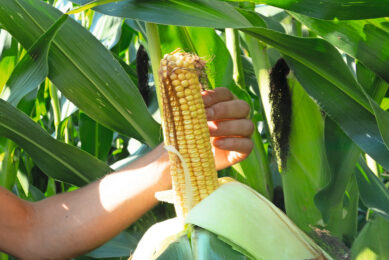
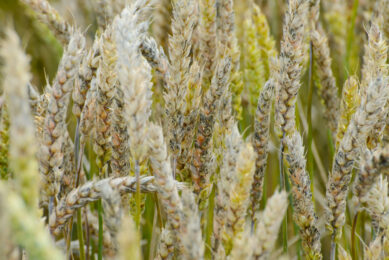
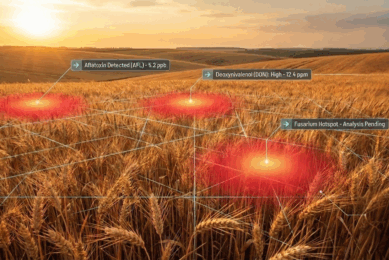
‘Mycotoxins impact animal health and welfare in a silent manner’
With clarity and conviction, she champions a holistic, science-driven approach to tackling invisible threats— and safeguarding animal health across species. In this exclusive interview, All About Feed speaks with Dr Regiane Santos about her new book, Mycotoxins: From Field to Feed.
The drug that changes everything
Aidan Connolly, president of AgriTech Capital, an advisory, consulting and investment group involved in agri-innovation, talks about how GLP-1 inhibitors such as Ozempic, which reduce appetite and cut calorie intake by 20%, are transforming global eating habits, posing a significant challenge to the livestock feed and additives industry.
Join 26,000+ subscribers
Subscribe to our newsletter to stay updated about all the need-to-know content in the feed sector, three times a week.