French feed production rises 1.1% in 2025, driven by cattle
French animal feed production saw a modest rise in 2025, reaching 18.88 million tonnes—a 1.1% increase over the previous year, according to SNIA. Growth was largely driven by increased demand for cattle feed, even as the industry faced animal disease outbreaks and challenges in the pig sector.
The feed industry confirmed its mobilisation in the face of the environmental, economic and human challenges,
Poultry feed remains dominant
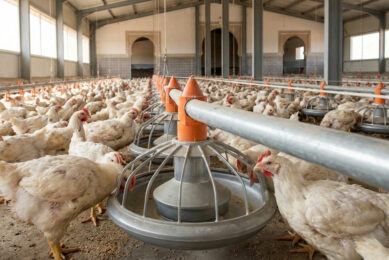
The largest portion of just over 8 million tonnes was for poultry, up 0.9% when compared to the previous year.
- 2.7 million tonnes of feed was used for laying hens, an increase of 0.7%,
- broiler chicken were fed some 3.4 million tonnes which was 4.3% more.
- feed for ducks was down 5.5% to almost 950.000 tonnes.
Cattle feed drives growth
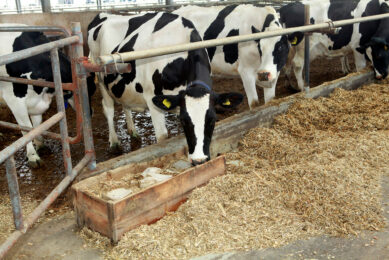
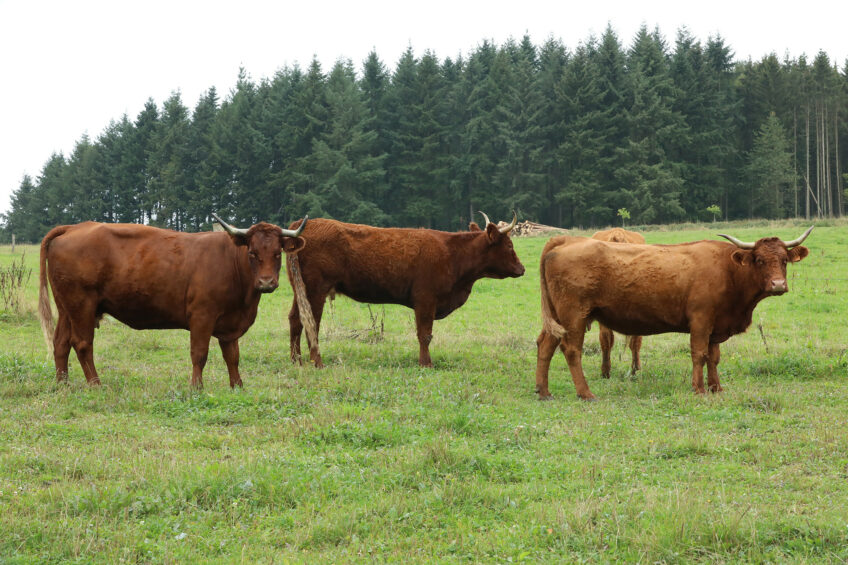
Feed for dairy cattle showed an increase of 4.6% to almost 3 million tonnes while products for other cattle increased by only 0.2% to 1.16 million tonnes.
Pig feed continues decline
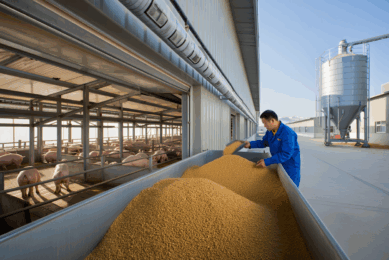
Parallel with the decrease of the pig herd, feed for those farmers saw a decrease of 0.9% to almost 4.1 million tonnes. In the fourth quarter of 2025, pig feed was 2.8% less y-o-y.
Other livestock feed stable
Furthermore, the French feed industry also produced 720,000 tonnes for goats and sheep as well as 578,000 tonnes of feed for other farm animals including rabbits and horses.
Industry faces ongoing challenges
The growth in the national feed production was largely driven by cattle, thanks to higher prices for milk and beef during the whole of the year, despite a complicated biosecurity situation and the continuing decrease of the cattle herd, according to SNIA. France suffered from a number of animal diseases last year, including outbreaks of Lumpy Skin Disease among cattle, Bluetongue among cattle and sheep and Avian Influenza. Pig farming also encountered problems because of difficulties through the transfer of farms to younger farmers, SNIA notices.
Innovation and renewal needed
“The feed industry confirmed its mobilisation in the face of environmental, economic and human challenges,” SNIA said during a joint meeting of organisations in the feed sector. “One of the first challenges is to keep the jobs in the industry attractive to support the generational renewal. The competitiveness of our companies is strongly linked to innovation, whether it´s about more agile purchase strategies, better formulas to improve the feed effectiveness or the necessary modernisation of the production facilities.”