Optimising energy efficiency in animal feed

Optimising energy efficiencies in animal feed manufacturing has emerged as a critical focus area within the agricultural and food production sectors.
The animal feed manufacturing process is inherently energy-intensive, encompassing multiple process stages such as ingredient sourcing, processing, and distribution. Adopting energy efficient practices, and incorporating new generation process optimisation products, is not only a matter of reducing operational expenses but also plays a vital role in minimising the industries carbon footprint.
Recent developments in energy efficiency
- The evolution of advanced machinery and equipment that requires less energy without compromising performance, and the latest technical additive products, play a pivotal role in enhancing energy efficiency within feed manufacturing.
- The integration of precision agriculture technologies and data analytics in the feed manufacturing process. By employing Internet of Things (IoT) devices and sensors, manufacturers can collect real-time data on energy consumption across various production stages. This data empowers companies to identify inefficiencies and then optimise their energy usage.
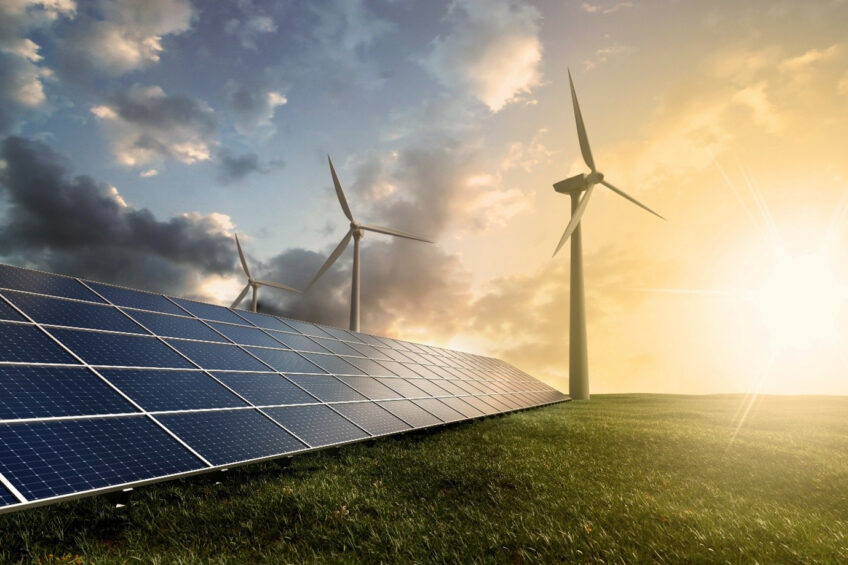
- Alternative energy sources are another promising trend in the feed manufacturing sector. Renewable energy technologies, such as energy recovery systems, solar/wind energy harbouring, and Anaerobic Biogas Digester (AD) systems are increasingly being utilised to power production facilities. This shift not only reduces dependence on fossil fuels, but also enhances the overall sustainability of the feed manufacturing operation.
In evaluating the energy-intensive steps involved in animal feed processing, the key stages are as follows:
- Particle reduction
- Heat treatment
- Generation
- Pelleting
Particle reduction process
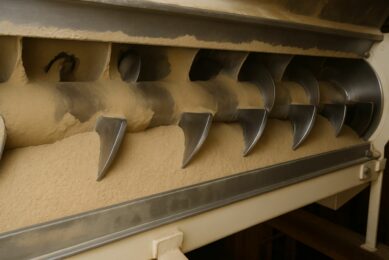
Particle reduction is a crucial step as it influences digestibility and nutrient absorption in livestock. The primary equipment used for this process stage includes hammermills, roller mills, and various grinder configurations.

Modern hammer mills have been designed with enhanced blade geometry and improved airflow dynamics. However, fine grinding on legacy systems comes to a limit in terms of throughput, energy efficiency, or heat generation. This is particularly true in pet food and aqua feed recipes, which are sometimes ground in a 2-step grinding process or with very low throughput on small screen holes.
New generation hammer mills like the FD 32 Pro by Tietjen are designed and engineered to address precisely these energy and process challenges. Key innovations include:
- Expanded 4.8m² screen area, which allows high-capacity grinding to feed the new generation of extruders with only 1 mill. This saves investment and operational costs.
- Reduced beater-to-screen gap, minimising screen clogging even with high-fat and protein ingredients.
- Variable speed drives permit optimised rotor speeds, so the mill only uses as much energy as needed for each recipe.
- Impact plates and modular screens, for reduced retention time of the product in the mill chamber, and screens that fit ideally for the product, allow for faster grinding with less energy.
Heat treatment process (mash/pellet/kibble)
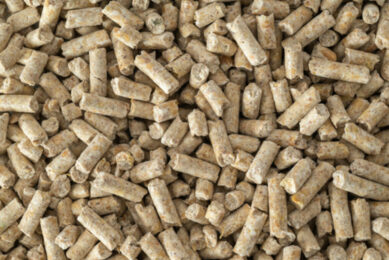
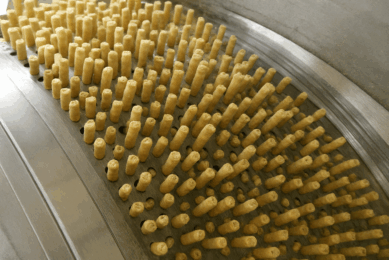
The pelleting and extruding process involves compressing feed ingredients into small, dense pellets or kibble, which are crucial for enhancing nutritional value, improving animal performance, minimising waste, and ensuring easy handling and storage. The high energy demand of the pelleting process arises mainly from the mechanical work required for compression (Delta T) and the thermal energy needed for feed conditioning or heat treatment.
Steam conditioning is a vital step before pelleting, as it prepares the feed ingredients for compression. Recent innovations in steam conditioning systems have focused on optimising temperature and moisture levels, which are critical for achieving the desired pellet quality and final finished product moisture content.
These systems now often feature multistage conditioning when ingredients are subjected to varying temperatures and moisture levels throughout the conditioning phase. This not only enhances the gelatinisation of starches and denaturation of proteins but also improves the overall digestibility of the feed. Consequently, livestock can absorb nutrients more efficiently, leading to better feed conversion ratios.
 Enhanced automation and smart technology are increasingly being incorporated into the latest pelleting machines. These systems utilise sensors and data analytics to monitor KPIs in real time. The data allows for immediate adjustments to be made, ensuring optimal conditions for pelleting and minimising energy wastage.
Moreover, variable frequency drives facilitate smoother start-ups and shutdown, reducing mechanical stress on the equipment and extending its lifespan. The introduction of independent roller and die speed capabilities in pellet machines allows for optimised processing conditions tailored to specific feed formulations. Crucially, both operators and engineers should always remember the basics of pelleting, ensuring the correct roller/die tolerances, daily lubrication practises and visual inspections of the machinery.
Not all feed manufacturers have the capacity, or indeed the capital, available to upgrade to the latest enhanced automation and smart technology. This is where processing aid products and new generation surfactants are beneficial to optimise pelleted or extruded feed manufactured. Products like SmartMoisture, which is a patented concept that esterifies propionic acid to glycerol’s greatly aid the conditioning stage of the process to allow for improvement in steam uptake and acceptance. This improves the gelatinisation process, which aids in reducing energy consumption at compression stages of feed manufacturing.
Effective energy sources and developments
The current available options for alternative energy sources are:
- Heat recovery and ventilation systems: Advanced heat exchangers are strategically integrated into feed processing operations to capture and repropose thermal energy that would otherwise be lost. Particularly during the pelleting and grinding stages, a significant amount of heat is generated as a byproduct of mechanical energy conversion. These heat exchanges are designed to efficiently recover this waste heat, utilising it to preheat ingredients, or use elsewhere within the process.
- Waste material recovery systems: ADs are sophisticated systems that utilise a natural biological process to convert organic waste into biogas. This process occurs in an oxygen-free environment where microorganisms break down organic matter. The resulting biogas primarily consists of methane and carbon dioxide which can be captured and used as a renewable energy source.
- Solar or wind energy systems: Solar energy systems use photovoltaic panels to convert sunlight directly into electricity. Wind energy systems, on the other hand, capture the kinetic energy of wind, converting it into electrical power. These systems are scalable and can be tailored to fit the energy needs of various industries, from small businesses to large-scale manufacturing plants.
Collaboration key to success
The drive towards effective energy efficiencies in animal feed manufacturing is not merely a response to rising operational costs – it is a vital component of a broader commitment to sustainability and environmental stewardship.
As the industry continues to evolve, integrated advanced machinery, precision agriculture technologies, and alternative energy sources can significantly mitigate energy consumption and reduce the carbon footprint of feed production. The ongoing innovation in process optimisation, such as newly-developed products to aid feed manufacturing, enhanced particle production, and pelleting techniques, showcases the potential for substantial improvements in both performance and sustainability.
Ultimately, embracing these advancements is essential for the industry’s future, ensuring that animal feed manufacturing not only meets the nutritional needs of livestock but also aligns with global sustainability goals. The journey towards energy efficiency is ongoing, and collaboration across the sector will be crucial.
Join 26,000+ subscribers
Subscribe to our newsletter to stay updated about all the need-to-know content in the feed sector, three times a week.