Rethinking mycotoxin risk: What new analyses say

Mycotoxins pose a constant threat to animal health and performance. Their presence in feed and raw materials is infuenced primarily by climatic conditions, agricultural practices and storage environments, leading to wide variations among crops, countries and even regions. Despite advances in monitoring and mitigation, mycotoxins remain ubiquitous, and no feed supply chain can be considered to be entirely risk-free.
The 2025 global mycotoxin survey reaffirms the requirement for sustained analytical oversight, high‑precision diagnostic methodologies and optimised detoxification interventions. The dataset demonstrates recurring contamination profiles alongside emerging shifts in toxin occurrence, emphasising the necessity for robust detection systems and scientifically validated mitigation approaches.
Fumonisins
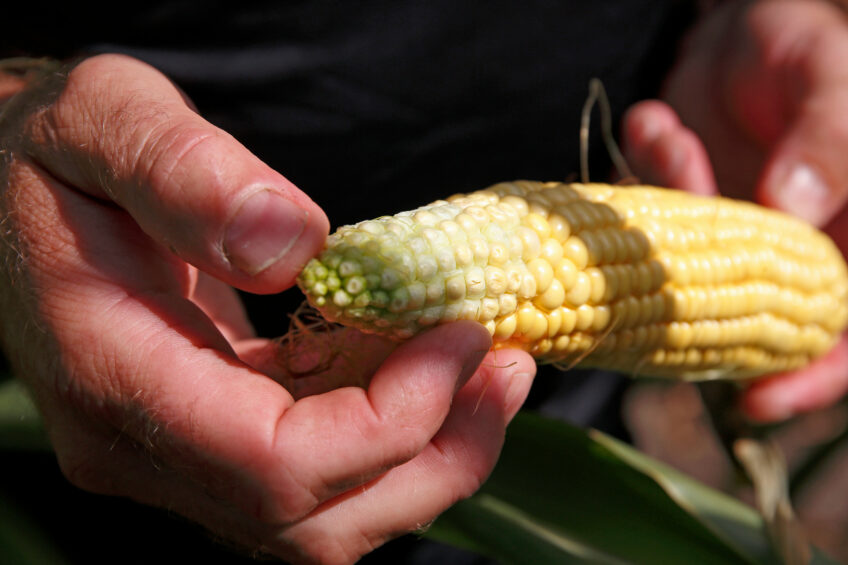
Fumonisins are produced mainly by Fusarium verticillioides and occur predominantly in maize harvested in warm, humid conditions. Historically, high fumonisin levels have been associated with Argentinian and Brazilian maize, where contamination occurs largely in the field. In 2025, however, Thai corn samples were found to contain a new all-time high level of over 600 ppm.
Fumonisins have significant negative effects on pigs, horses and poultry, overturning long-held assumptions of species tolerance. They are well known for causing porcine pulmonary oedema and equine leukoencephalomalacia, and in humans, chronic exposure has been linked to oesophageal cancer. Recent research has revealed significant adverse effects on gastrointestinal health in pigs, horses and poultry. As a result, the “no observed adverse effect level” (NOAEL) for fumonisins in poultry feed was reduced from 20 ppm to 1 ppm, implying that poultry are equally sensitive to fumonisins as pigs and overturning long-held assumptions of species tolerance.

Deoxynivalenol and B-trichothecenes
Deoxynivalenol (DON), also known as vomitoxin, and other B-trichothecenes, are primarily produced by Fusarium graminearum, a ubiquitous fungus capable of contaminating a wide range of raw materials. In the 2025 survey, 64% of the more than 22,000 analysed samples were contaminated with B-trichothecenes, with the highest absolute contamination level found in South African maize (111 ppm). French maize samples had an exceptionally high prevalence (93%) with an average contamination level of 2.7 ppm.
DON causes nausea and vomiting in pigs and interferes with RNA synthesis, impairing growth, immune function, and overall performance. Like fumonisins, DON negatively affects gastrointestinal health, and its NOAEL for poultry was adjusted in 2022 to match swine, confirming equal sensitivity.
Zearalenone: A silent threat
Zearalenone (ZEN) is produced by the same fungi responsible for DON and B-trichothecenes and therefore frequently co-occurs with them. In the 2025 survey, 62% of samples were contaminated with ZEN. French maize once again stood out, with 79% prevalence, an average contamination level of 657 ppb, and a maximum of 41,600 ppb. Due to its oestrogen-like structure, ZEN poses a major risk to breeding animals, adversely affecting fertility, reproductive performance and future productivity of breeding stock.
A-trichothecenes (T-2 toxin)
A-trichothecenes, such as T-2 toxin, were detected in only 25% of the samples analysed in the 2025 survey. Although less prevalent than other mycotoxins, these mycotoxins can cause acute toxicity, producing immediate, visible clinical signs such as lesions on the beak and tongue, which often result in reduced feed intake and performance.
Even seemingly low average contamination levels (61 ppb) should be regarded as a serious threat. The highest contamination recorded in the 2025 survey was 13,571 ppb, detected in Spanish maize.

Ochratoxin A: persistent and transferable
Ochratoxin A (OTA), produced by various Penicillium and Aspergillus species, is usually considered to be associated with unsuitable storage conditions. Among the 18,000 analysed samples, OTA was present in 21%, with an average contamination level of 28 ppb and a maximum of 45,778 ppb found in Peruvian wheat bran.
OTA primarily damages the kidneys and differs from many other mycotoxins in its metabolic behaviour. By binding strongly to blood albumin, it remains unmetabolised for long periods, resulting in prolonged exposure. OTA can be transferred into meat and animal-derived products, representing a direct risk to human health.
Aflatoxins
 Aflatoxins, produced mainly by Aspergillus flavus, are the most potent and hepatotoxic mycotoxins. They primarily affect raw materials that are high in starch, oil, or protein, which are stored under warm, humid conditions. Due to the carcinogenic properties of aflatoxins, they are strictly regulated in food and feed worldwide.
A total of 34% of the 20,911 samples analysed for the 2025 survey were contaminated with aflatoxin B1, with an average level of 21 ppb. The highest contamination (1,425 ppb) was detected in a poultry feed sample from Tanzania. Of particular concern is the rising prevalence of aflatoxin in Europe, particularly in southern regions, with 909 ppb in Spanish sorghum and a high prevalence (43%) and average levels (57 ppb) in Hungarian maize.
Feed safety and control strategies
The 2025 mycotoxin survey indicates that no region or raw material is free of mycotoxin contamination. Consequently, effective mitigation and deactivation strategies are essential for modern feed management.
While aflatoxins can be effectively adsorbed by mineral binders such as bentonite, most other mycotoxins require alternative approaches. Only a limited number of products/components are authorised for mycotoxin deactivation in highly regulated markets such as the European Union and the United States, including:
- FUMzyme – a purified enzyme for fumonisin detoxification
- Biomin BBSH 797 – a live microorganism that degrades trichothecenes (including DON and T-2 toxin) in the intestinal tract
- ZENzyme – a purified enzyme for zearalenone detoxification (undergoing registration in the European Union and United States)
The aforementioned components are widely utilised and available across the Mycofix product line (Biofix in the USA). Regular testing of representative feed and raw material samples remains the most reliable approach for assessing mycotoxin risk. The Mycotoxin Survey provides feed and livestock producers with a unique tool to identify and manage the economic impact of mycotoxins. Once the risk is understood, effective mycotoxin management strategies can be implemented to safeguard animal health and optimise performance.”
References are available on request.
Join 26,000+ subscribers
Subscribe to our newsletter to stay updated about all the need-to-know content in the feed sector, three times a week.