Early-life nutrition: The foundation of sustainable livestock performance
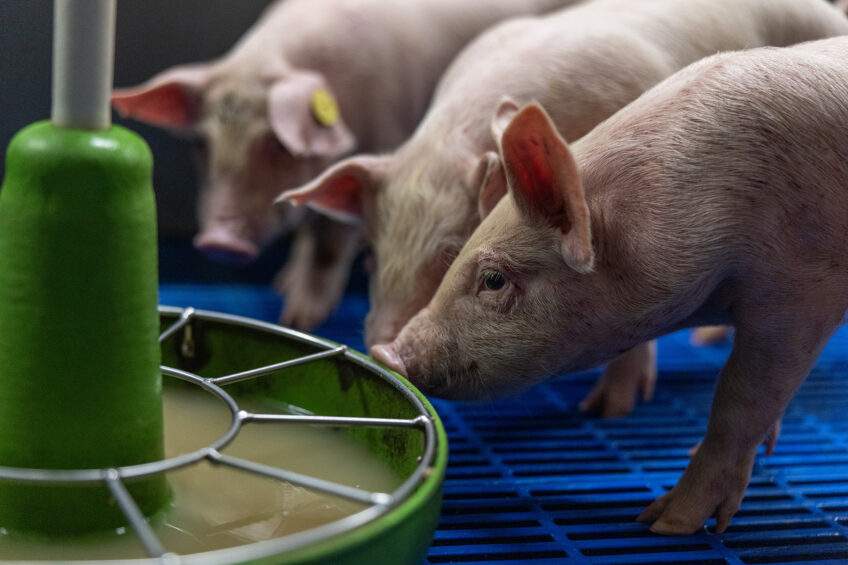
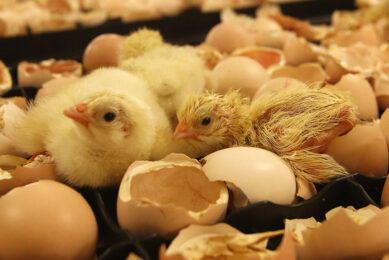
Early-life nutrition and management are drivers of long-term livestock performance. This article explores why the first weeks of life represent a critical biological window and a strategic investment for more sustainable animal production systems.
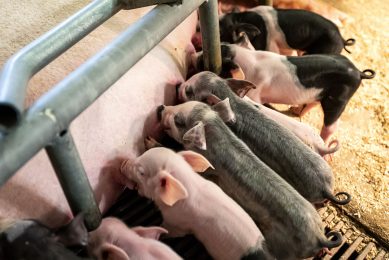
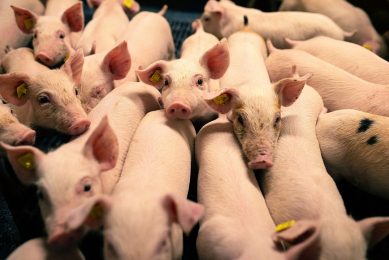
In modern livestock systems, performance is often evaluated through the most visible production parameters: growth rate, feed efficiency, finishing performance, or reproductive outcomes. These performance indices are easy to measure, easy to compare, and reassuringly tangible. Yet a rigorous analysis of lifetime animal trajectories reveals a more discreet but far more decisive reality: the majority of performance differentials are established during the very first weeks of life. This period covers the weeks following birth and/or weaning in swine.
It is a short, highly sensitive biological window during which the animal’s future potential is either consolidated or irreversibly compromised. The most resilient and efficient livestock systems have internalised this principle: what is not secured early in life can only be partially corrected later, often at a substantial biological and economic cost.
A phase of high plasticity and vulnerability
Across species, young animals share common physiological characteristics at the beginning of life: an immature digestive system, limited enzymatic and absorptive capacity, a developing immune system, and a high sensitivity to nutritional and environmental stressors. At the same time, this early phase is marked by exceptional biological plasticity. Tissues, organs, and metabolic pathways are still being shaped, allowing early inputs to exert a lasting influence.
This unique combination of plasticity and vulnerability explains why early-life disturbances leave long-term fingerprints on health, robustness, and productivity. Nutritional misalignment, delayed feed intake, poorly managed transitions, or suboptimal environments may not always generate immediate clinical symptoms. However, they silently alter gut development, immune competence, and metabolic efficiency.
Early feed intake: The first biological lock
Among all early-life determinants, the ability of young animals to rapidly and consistently consume appropriate solid feed represents one of the most structuring factors for lifetime performance. Early feed intake is not merely energy provision; it is the primary driver of digestive maturation.
Intestinal health: A long-term determinant of robustness
In young animals, the intestine is far more than a digestive organ. It is simultaneously a metabolic interface, an immune organ, and a critical signaling hub. Securing intestinal health early establishes the biological foundation for robustness, feed efficiency, and adaptive capacity throughout the production cycle.
What a successful early-life strategy truly requires
A controlled early-life phase is built on rapid and sufficient early feed intake, nutrition aligned with physiological needs, secured dietary transitions, environmental coherence, and a strategic vision of early life as a long-term investment.
Conclusion
The early-life phase of farm animals should be recognised as the foundational act of livestock performance, robustness, and long-term sustainability. Mastery of this phase is no longer optional. It is a strategic imperative for the future of animal production.