The water footprint of aquafeed production
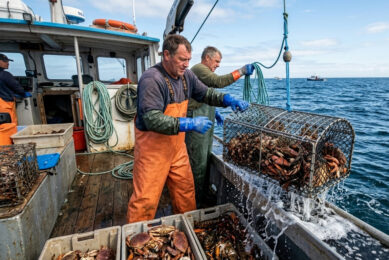
![Each fish and crustacean has certain needs in terms of protein, fat, carbohydrates, vitamins, minerals, among others. The question is how those needs can be met in a sustainable way. [Photo: Shutterstock]](https://live.allaboutfeed.net/app/uploads/2020/12/002_282_rb-image-2709225.jpeg)
A sustainable growth of the aquaculture sector is what we aim for. But to achieve this, freshwater consumption and pollution due to aquafeed production must be considered. The water footprint is an indicator that is used to measure this. With the increasing importance of aquaculture in feeding the growing world population, the requirement of natural resources for producing aquafeed ingredients is intensifying. There is a growing interest in the potential to replace fish meal and fish oil with t
Get full access to all stories on All About Feed
This Premium article is exclusively available for subscribers.
Obtain insights from exclusive interviews
Dive into articles covering trending industry topics
Stay up-to-date on the market trends
All the news is brought to you by experienced editors and experts from around the world

Marieke
Ploegmakers

Matthew
Wedzerai

Treena
Hein