From grapes, oranges and olives to sustainable animal feed
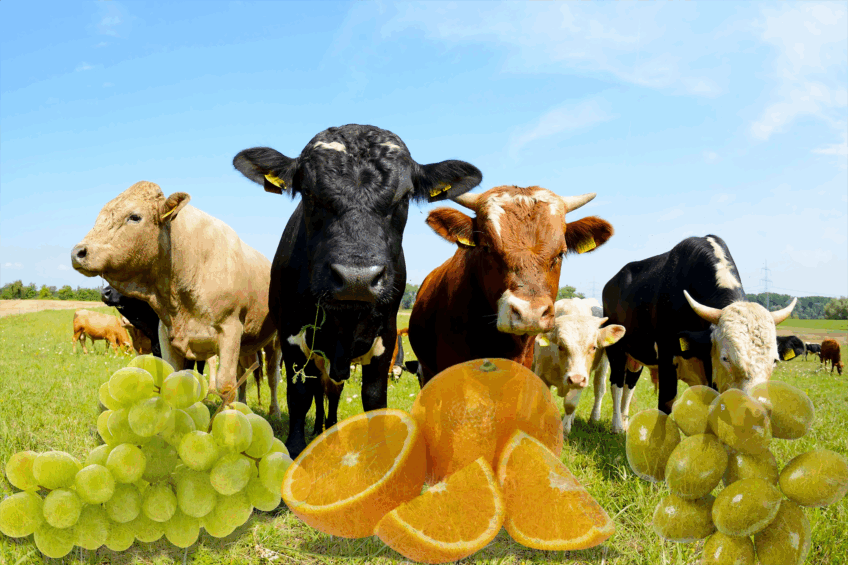
Research has shown that local agri-food by-products can be transformed into sustainable animal feed in Mediterranean countries.
4-year international study
Following 4 years of study by 14 organisations across Spain, Greece and Egypt, researchers have revealed 3 validated value chains that have the potential through the circular economy to cut waste, reduce costs and open new market opportunities for the livestock sector.
EU-funded NEWFEED project
The European NEWFEED project, which received EU funding totalling €2 million, has found that by-products from grapes, oranges and olives can be transformed into sustainable, locally sourced feeds, strengthening circular economy practices in the Mediterranean livestock sector.
By-products can transform livestock sustainability.”
Validated ingredients for livestock
Coordinated by the AZTI technology centre in Spain, the NEWFEED project has developed and validated the local ingredients for both ruminants and poultry.
Improved processing and nutrition
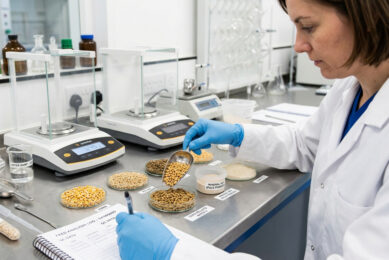
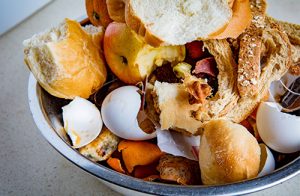
Through innovative processing and trials carried out both in the laboratory and on farms, the digestibility and nutritional profile of grape stems, orange peel and olive cakes have been improved, enabling their inclusion in animal diets without compromising either animal health or product quality.
Turning waste into sustainable animal feed.”
Towards sustainable livestock systems
David San Martin, AZTI food sustainability expert, said: “Using food-industry by-products as secondary feeds will transform livestock production into a more sustainable system, capable of meeting growing demand for meat, dairy and eggs across the Mediterranean.”
Circular economy benefits
Working alongside agri-food companies and research centres, the consortium validated the 3 value chains, demonstrating how circular economy models can lower waste management and input costs, while paving the way for innovative products such as functional supplements or enriched, sustainable feeds.
NEWFEED’s business opportunities were designed in Spain, Greece and Egypt:
- The Spanish initiative involved the NEIKER technology centre, technology provider RIERA NADEU and Bodegas Baigorri to validate the use of grape stems from wineries as a second-generation new feed ingredient for ruminants (dairy sheep and cattle)
- In Greece, efforts focused on converting orange peel from the orange juice industry into protein for dairy sheep.
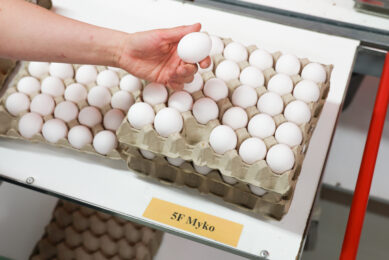
- And in Egypt, fermented olive cake was transformed into a cost-effective, nutrient-rich feed supplement for broiler chickens.
San Martin added: “Each context presents different technical, economic and regulatory conditions. Successful future rollout will therefore require adapting solutions to local capabilities, fostering collaboration with key stakeholders and providing decision-support tools such as methodological guides or digital platforms.”
Join 26,000+ subscribers
Subscribe to our newsletter to stay updated about all the need-to-know content in the feed sector, three times a week.